NSDL e-Governance Infrastructure limited is set to use an open-source platform to expand its reach to the healthcare, education and agriculture sectors.
A unified Digital Services Platform available to access government services in the UK has an app face now. Contrary to the gov.uk website having 191 ways to set up an account and 44 ways to login, to access services of various departments, the app needs only one.
Facebook rebranding itself to Meta was slated to happen. The security and privacy concerns surrounding Facebook was intensifying day by day. Its role in the 2016 Presidential Election Campaign in the US, the Brexit in the UK, the anti-vaccination campaigns across the world, and many such controversies forced Facebook to regain its lost trust by reimagining itself as a Social Technology Company instead of a Social Networking Company.
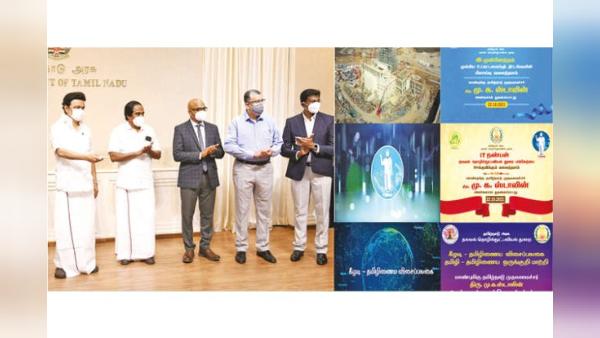
Tamil Nadu's e-munnetram website tracks the progress of projects undertaken by the government while IT Nanban acts as a bridge between the IT & ITES industry and the government.
CEP is a user-friendly, innovative medium that will provide its partners and customers with a complete digital experience. It aims to bring a product’s virtual self-experience closer to the customers and be used as a one-stop digital guide.
Mobile Malware is the most popular type of security threat as this infects the device through downloaded apps. Once a government employee’s mobile device is compromised, intruders can use the information accessed to compromise their work devices.
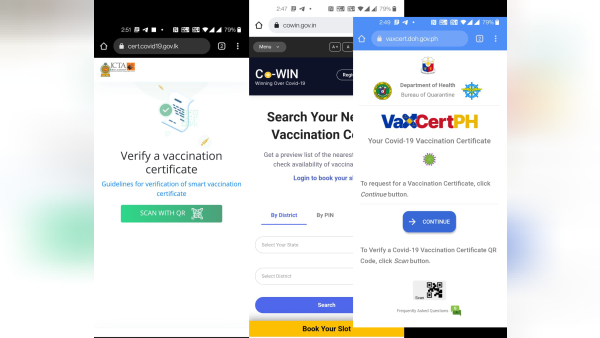
The Philippine Government's vaccine certificate is based on the Digital Infrastructure for Vaccination Open Credentialing (DIVOC) created in India, used as a reference system by the WHO's Digital Documentation of COVID Certificates (DDCC). It uses private and public-key cryptography and is interoperable with authorised wallet applications.