Organizations adopting new technologies with automation are boosting their growth and creating a different yet more technically sound workforce. The Digitization and Future of Work report by the Centre for European Economic Research shed light on this fact by concluding how 50% of Germany’s organizations deploy advanced technologies and thereby create more jobs.
With most organizations adapting to remote working options, there has been a significant increase in security risks. According to Interpol, after the COVID-19 outbreak, cybercriminals have shifted their focus from small businesses and individuals to major corporations, large business, government departments and even critical infrastructure like healthcare.
Just like digital platforms originated to take full advantage of the potential of the world wide web and the internet, government service platforms will allow more and more people to engage with their governments, increase transparency, promote e-governance and engage more and more people in policy making.
The AI discussion in the context of the debate about privacy frequently raises the limitations and failures of AI systems, of which privacy is the most major concern. With the call for transparency in processes also touching new heights, which one prevails?
Over time, as energy becomes increasingly digital with sensors, while also becoming more decentralized with energy coming from a local solar photovoltaic, wind, or microgrid system, users will have even more control and ability to manage their energy usage
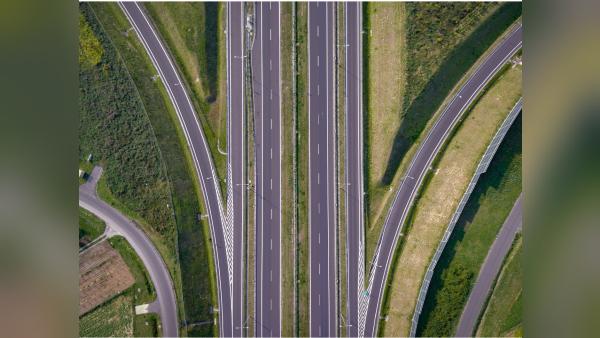
Smart cities with intelligent road networks will help innovate and improve the driving experience, especially in terms of road safety. Systems that can directly control and communicate with vehicles are increasingly preventing accidents. Is technology making our roads truly intelligent?
Digital technology has successfully intervened in the containment of the pandemic through fields such as artificial intelligence, big data analytics, data science, telemedicine, and robotics.
Modern government is increasingly relying on digital technologies to execute workflows with higher efficiency while making time for more high-value interactions and hence increased satisfaction for public services.
City planners need to be ready to handle huge populations and it won’t happen in a day. Digital infrastructure for 68% of the world’s population would be required for urban areas by 2050.